Source light weight bean bag chair for living room, office, and bedroom
Find 30 options for a light weight bean bag chair suitable for living rooms, offices, and bedrooms. Buyers can compare fabric types, dimensions, and MOQs from suppliers in Zhejiang, China to find the best fit for their needs.
Key considerations
Products List
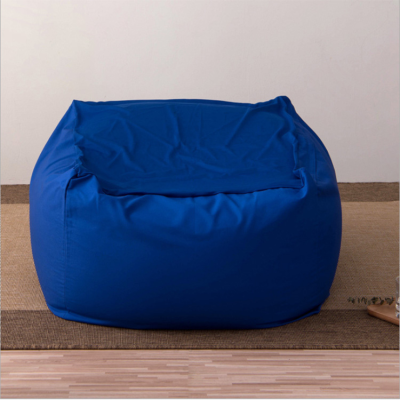
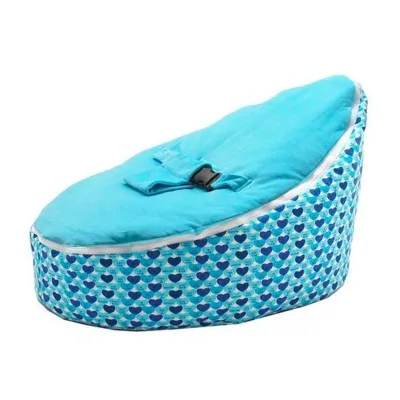
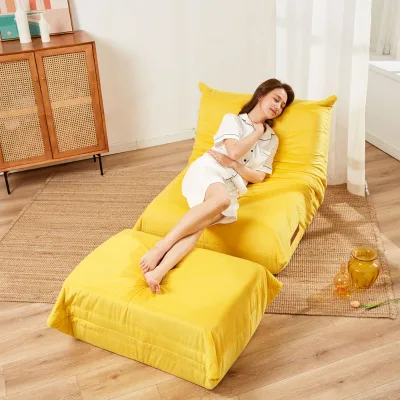
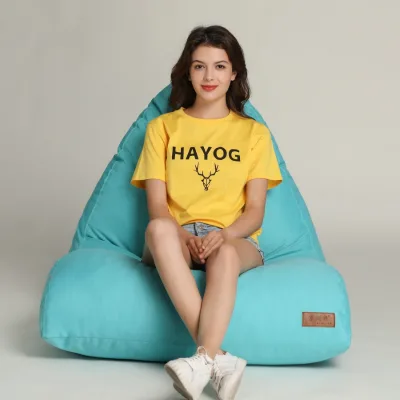

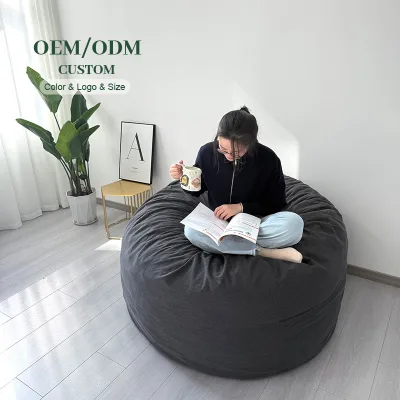
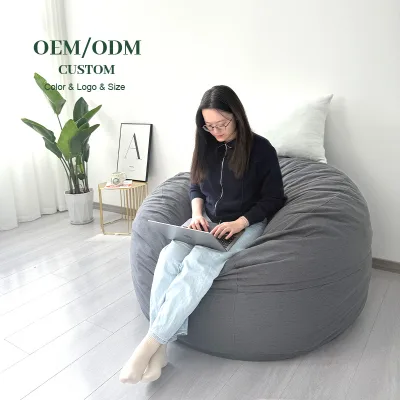
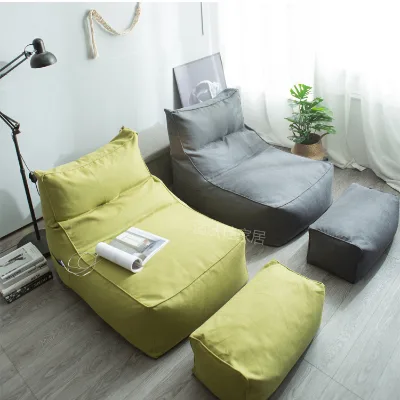
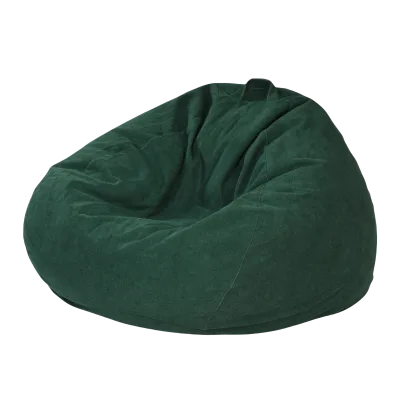


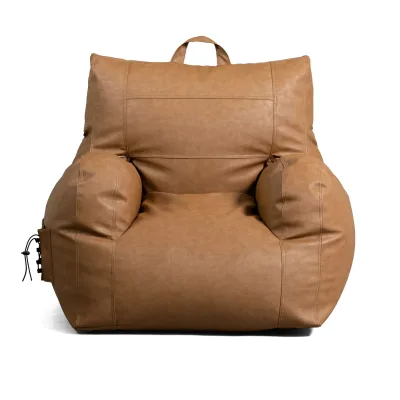
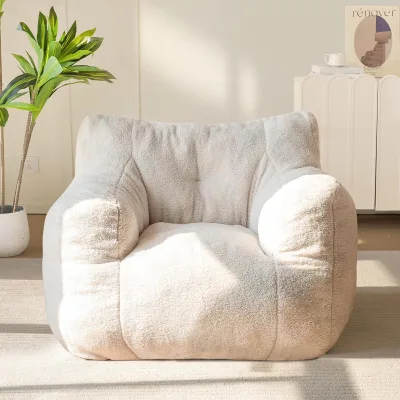


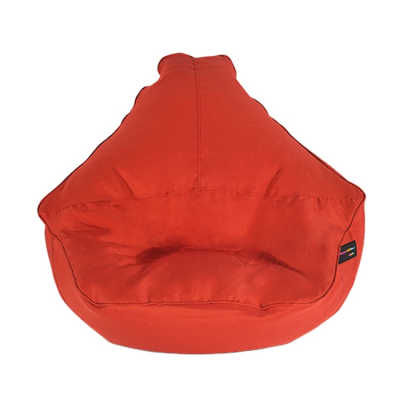
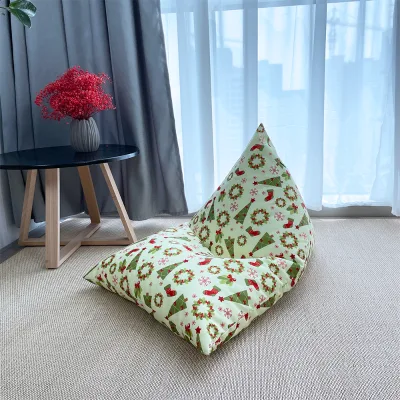


Comprehensive Sourcing Guide
Strategic Sourcing Guide for Lightweight Bean Bag Chairs
Understanding Product Specifications and Material Composition
When sourcing a lightweight bean bag chair, the primary objective is to identify units that balance portability with structural integrity. The market offers a variety of configurations, but the most reliable options for general procurement feature specific material compositions. The upholstery material is typically fabric, with common variants including faux linen and poly linen. These materials are selected not only for their aesthetic appeal but for their durability and ease of cleaning. The filling material is a critical differentiator; while some listings indicate EPS beans are included, others specify that the filling is not included with the product. Buyers must verify whether the unit is sold as a complete set or as a shell requiring separate filling procurement.
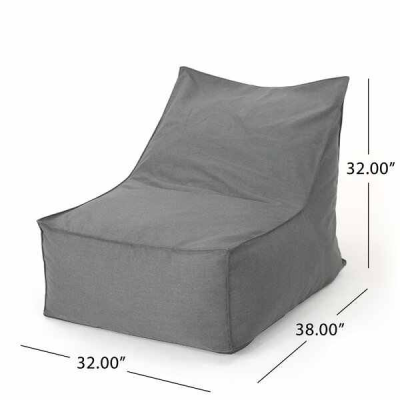
The physical dimensions of these chairs vary significantly to suit different user needs. Observed size specifications include 90110cm, 100120cm, and 120120cm, with some specialized models reaching 90140cm. These dimensions directly influence the "lightweight" classification; smaller units generally weigh less, with single gross weights observed in the range of 3.000 kg to 3.500 kg. This weight range is crucial for logistics planning, as it allows for easier handling during shipping and reduces freight costs compared to heavier furniture. The single package size is also a key logistical factor, typically measuring around 24X28X10 cm or 24X28X8 cm. This compact packaging facilitates efficient stacking in containers and minimizes volumetric weight charges.
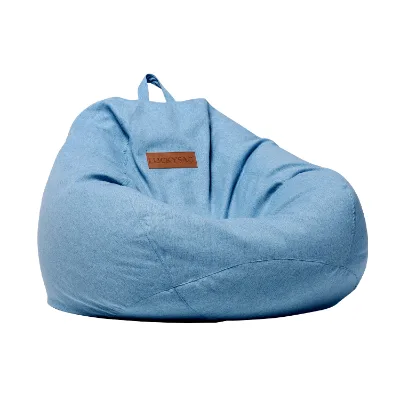
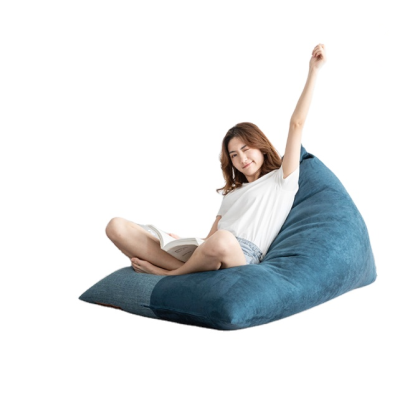
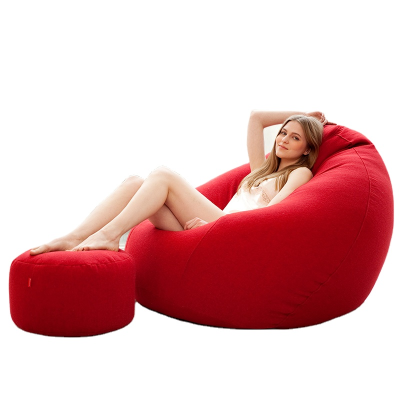
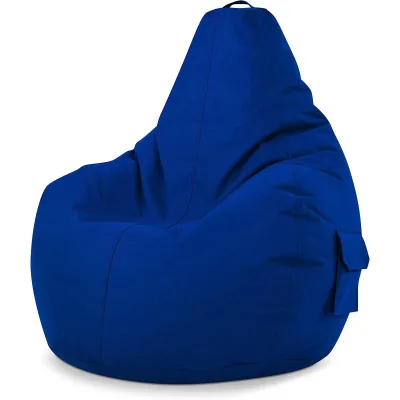
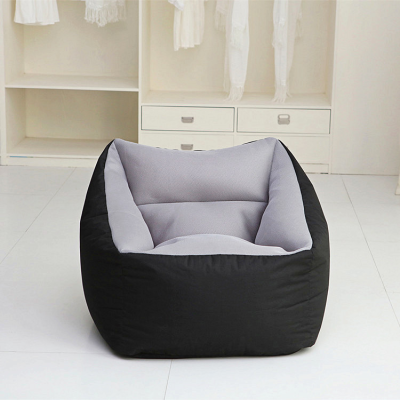
The design style of these chairs is predominantly modern, often categorized as a "one seat" sofa type or a "lazy lounger." The functionality is versatile, serving as both a sofa and a chair suitable for living rooms or indoor furniture applications. Some models feature a removable cover, which is a significant advantage for maintenance and hygiene. Additionally, certain designs incorporate an inner change bag, adding a layer of utility for users who may need to store small items or manage the filling material. The color palette is extensive, ranging from neutral tones like black, dark gray, and rice white to vibrant options such as red, yellow, army green, blue, orange, and sky blue. This variety allows buyers to match specific interior design themes or corporate branding requirements.
Compliance, Certification, and Safety Verification
In the B2B procurement of furniture, particularly items intended for indoor use, verifying compliance and safety standards is non-negotiable. While specific certification names are not universally standardized across all listings, buyers must rigorously check for adherence to international safety regulations regarding flammability, chemical content, and structural stability. The product descriptions often mention a warranty period, with some listings indicating a 2-year warranty. This suggests a baseline expectation of quality and durability, but it does not replace the need for independent verification of safety standards.
Buyers should request documentation proving that the materials used, specifically the EPS beans and the fabric upholstery, meet relevant safety standards for the target market. For instance, in the European Union, furniture must comply with REACH regulations regarding chemical substances, while in the United States, compliance with ASTM standards for flammability is often required. The origin of the product, frequently listed as Zhejiang or Hangzhou, China, indicates a manufacturing hub with a high volume of furniture production. However, the location of the factory does not guarantee compliance; it is the supplier's responsibility to provide test reports from accredited laboratories.
The "mail packing" attribute, marked as "Y" in some specifications, implies that the product is designed for direct shipping, potentially reducing the risk of damage during transit. However, the packaging details, which often include a PE bag and a carton, must be robust enough to protect the product during long-haul shipping. Buyers should verify that the packaging meets the requirements for the specific shipping route, including humidity control and stacking strength. Furthermore, the "custom logo" feature allows for branding, but the printing process used for the logo must not introduce hazardous materials or compromise the fire resistance of the fabric.
Cost Drivers and Pricing Dynamics
The pricing of lightweight bean bag chairs is influenced by several variables, including material quality, customization levels, and order volume. The observed price range in the market spans from approximately $8.16 to $199 USD. This wide disparity indicates that the product is available at multiple price points, catering to different budget constraints and quality expectations. The lower end of the spectrum likely corresponds to basic models with standard fabrics and minimal customization, while the higher end may reflect premium materials, complex designs, or included filling.
Minimum Order Quantity (MOQ) is a significant cost driver. Listings show MOQs ranging from 1 piece to 1000 pieces, with common thresholds at 50 pieces and 300 pieces. Ordering closer to the lower MOQ allows for smaller initial investments and reduced inventory risk, but the unit price will likely be higher. Conversely, larger orders typically secure better per-unit pricing but require a higher upfront capital outlay. The "Selling Units" are often listed as "Single item," which can be misleading; buyers must clarify if the price is per unit or per set, especially regarding the inclusion of filling.
Lead time and delivery terms also impact the total cost of ownership. Standard delivery times range from 35 to 50 days, with sample times typically taking 3 to 5 days. The payment terms, often structured as T/T 30% deposit and 70% balance, affect cash flow management. Suppliers with higher supply abilities, such as 100 pieces per week, may offer more flexible scheduling, but this capacity must be verified against the buyer's specific timeline. The "Supply Ability" of 100 pieces per week suggests that for large orders, the production schedule may need to be staggered, potentially extending the overall lead time.
Typical Applications and Usage Scenarios
Lightweight bean bag chairs are versatile pieces of furniture designed primarily for indoor use. Their primary application is in residential settings, such as living rooms, bedrooms, and home offices, where they provide a comfortable and casual seating option. The "specific use" is often listed as "Living Room Chair," highlighting their suitability for relaxation areas. However, their utility extends beyond the home. These chairs are increasingly popular in commercial spaces, including cafes, co-working spaces, and recreational areas in hotels or resorts.
The "function" of these chairs as both a sofa and a chair makes them ideal for multi-purpose environments. In a living room, they can serve as a primary seating option for guests or a secondary lounge chair for reading. In commercial settings, their lightweight nature allows for easy reconfiguration of space, enabling businesses to adapt their layout for different events or customer flows. The "design style" being modern ensures that they fit well with contemporary interior aesthetics, making them a safe choice for retailers targeting modern demographics.
The "color" options, including army green, dark gray, and sky blue, allow for customization to match specific brand identities or interior design schemes. For example, a cafe might choose a specific color to align with its branding, while a hotel might opt for neutral tones to maintain a consistent look across rooms. The "removable cover" feature is particularly valuable in commercial applications, where frequent cleaning is necessary to maintain hygiene standards. The ability to remove and wash the cover ensures that the chairs remain presentable even in high-traffic areas.
Supplier Evaluation and Selection Criteria
Selecting the right supplier is critical for ensuring product quality and reliable delivery. Buyers should evaluate suppliers based on their production capabilities, quality control processes, and responsiveness. The "place of origin" is frequently listed as Zhejiang or Hangzhou, China, regions known for their manufacturing expertise. However, buyers should not rely solely on location; they must verify the supplier's actual production capacity and history. The "Supply Ability" of 100 pieces per week is a useful metric, but it should be cross-referenced with the supplier's ability to scale up production for larger orders.
The "brand name" associated with the product, such as "Luckysac" or "LUKCYSAC," can indicate the level of brand recognition and market presence. However, buyers should be cautious of generic branding and ensure that the supplier has the capability to provide custom branding if required. The "Logo" options, including "custom" and "customized logo," suggest that suppliers are willing to accommodate branding requests, but the quality of the printing and the durability of the logo must be verified.
Communication and transparency are key indicators of a reliable supplier. Buyers should assess the supplier's responsiveness to inquiries, their willingness to provide samples, and their clarity regarding shipping terms. The "Delivery time" of 35-50 days is a standard range, but buyers should confirm if this includes the time for sample approval and production scheduling. The "Port" of shipment, typically Ningbo or Shanghai, is a major logistical hub, but buyers should verify the specific port used to ensure it aligns with their shipping preferences and cost structures.
Quality Control and Long-Term Procurement Considerations
Implementing a robust quality control (QC) process is essential for mitigating risks in the procurement of bean bag chairs. Buyers should establish clear quality standards for materials, stitching, and finishing. The "Upholstery Material" and "Filling Material" must be inspected for consistency and durability. For instance, the EPS beans should be of uniform size and free from dust or debris. The fabric should be checked for colorfastness and resistance to tearing.
The "Warranty" period, often cited as 2 years, provides a baseline for expected product longevity. However, buyers should verify the terms of the warranty, including what is covered and the process for filing claims. Long-term procurement considerations include the availability of replacement parts, such as zippers or fabric patches, and the supplier's ability to fulfill repeat orders with consistent quality. The "Packing" details, which often include a PE bag and carton, should be evaluated for their ability to protect the product during storage and transit.
Buyers should also consider the environmental impact of their procurement decisions. The use of "Faux Linen" and "Poly Linen" suggests synthetic materials, which may have different environmental profiles compared to natural fibers. Buyers should inquire about the sustainability of the materials and the supplier's waste management practices. Additionally, the "Single gross weight" and "Single package size" are important for calculating the carbon footprint of shipping. By optimizing packaging and selecting efficient shipping routes, buyers can reduce their environmental impact while maintaining cost efficiency.
Final Procurement Strategy and Risk Mitigation
To successfully procure lightweight bean bag chairs, buyers must adopt a strategic approach that balances cost, quality, and reliability. The first step is to define clear specifications, including size, material, and color, based on the intended application. Buyers should then request samples to verify the quality of the product and the accuracy of the specifications. The "Sampling time" of 3-5 days allows for quick evaluation, but buyers should ensure that the samples are representative of the mass production quality.
Once the supplier is selected, buyers should establish a clear contract that outlines all terms, including price, MOQ, lead time, and payment terms. The "Payment terms" of T/T 30%/70% are standard, but buyers should negotiate terms that protect their interests, such as retaining a portion of the payment until the goods are received and inspected. The "Delivery time" of 35-50 days should be factored into the supply chain planning, with buffer time added for potential delays.
Finally, buyers should maintain open communication with the supplier throughout the production process. Regular updates on production status and quality checks can help identify and resolve issues before they become critical. By following these guidelines, buyers can ensure a successful procurement experience, acquiring high-quality lightweight bean bag chairs that meet their specific needs and expectations.
FAQs
What is the typical delivery time for these chairs?
The delivery time ranges from 35 to 50 days for mass production. Sample orders are faster, typically taking 3 to 5 days to prepare and ship.
Can I customize the logo on the bean bag chairs?
Yes, custom logos are available for these products. Suppliers offer customized branding options to meet specific buyer requirements for marketing or corporate use.
Which filling material is included with the product?
Some listings specify EPS beans are included, while others state the filling is not included. Buyers must verify if the unit is sold as a complete set or a shell.
What are the available minimum order quantities?
Minimum order quantities vary significantly, ranging from 1 piece to 1000 pieces. Common thresholds observed in the market are 50 pieces and 300 pieces per order.
How are the chairs packaged for shipping?
Chairs are typically packed in a PE bag inside a carton. Some specifications also mention mail packing to ensure direct shipping safety and reduce transit damage risks.
Where are these bean bag chairs manufactured?
The place of origin is frequently listed as Zhejiang or Hangzhou, China. These regions are known manufacturing hubs for furniture production with established supply chains.
What fabric materials are used for the upholstery?
Common upholstery materials include faux linen and poly linen. These fabrics are selected for their durability, aesthetic appeal, and ease of cleaning for indoor use.